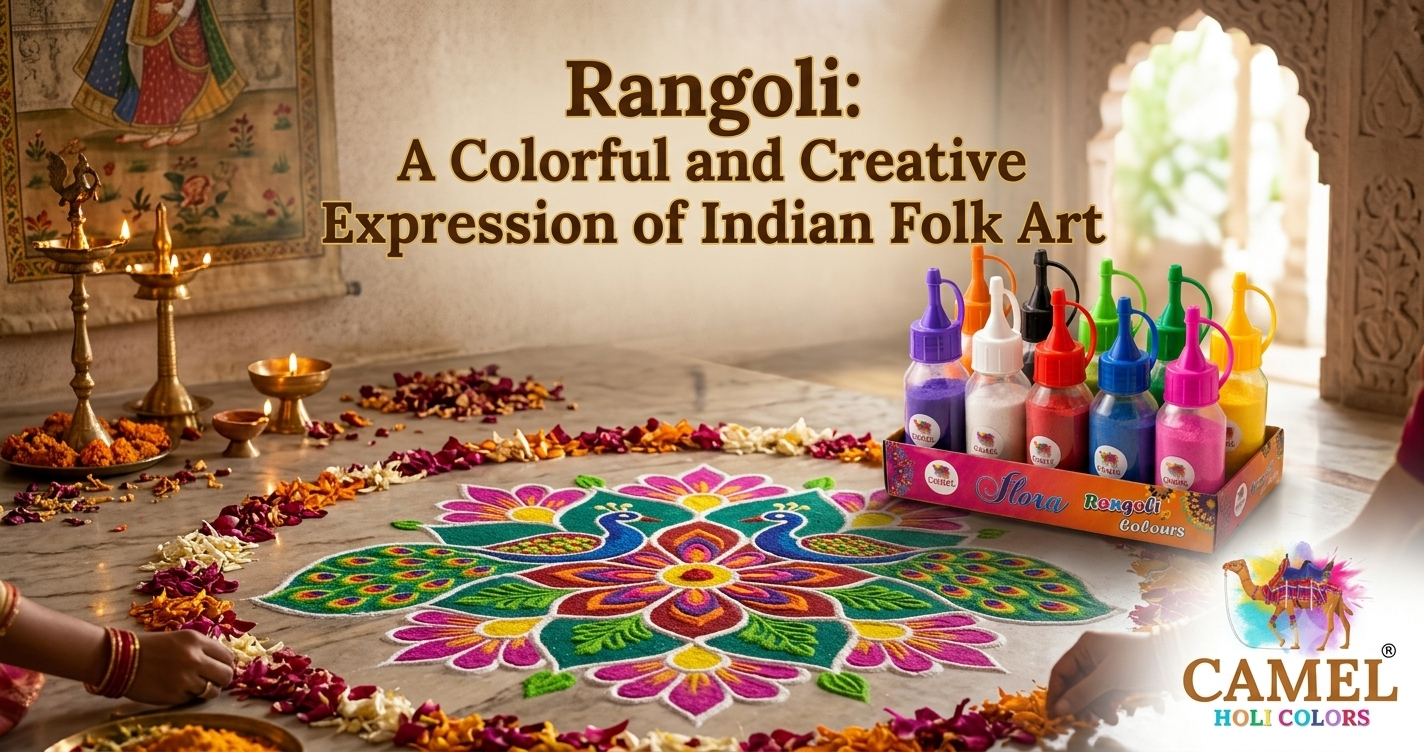
Rangoli is much more than a decorative pattern drawn on the floor. In many Indian homes, it is one of the first things people notice when they walk through the door during a festival. Bright colours, graceful lines, tiny details and familiar traditional motifs come together to create something that feels warm, welcoming and deeply connected to Indian culture.
What makes rangoli special is its simplicity. You do not necessarily need expensive materials or professional artistic skills. A handful of coloured powder, a little patience and a creative idea can be enough to turn an ordinary entrance into something beautiful.
And perhaps that is why rangoli has remained so popular for generations.
What Is Rangoli?
Rangoli is a traditional Indian folk-art form created by arranging coloured powders, rice, flowers, sand or other decorative materials into patterns on the floor. Depending on the region, it may be known by different names, including Kolam, Alpana, Muggu, Mandana and Chowk Purna.
The designs can be simple or highly detailed. Some feature geometric shapes and symmetrical patterns, while others include flowers, peacocks, diyas, leaves, traditional symbols and religious motifs.
There is no single formula for making a rangoli. That freedom is part of its charm.
A person can create a small design outside the main door in just a few minutes, while someone with more experience might spend hours creating an elaborate festival arrangement. Both are equally meaningful.
The Cultural Meaning Behind Rangoli
Rangoli has traditionally been associated with festivals, celebrations and auspicious occasions. Families often create these colourful designs at the entrance of their homes as a symbol of welcome and positivity.
During festivals such as Diwali, Navratri, Pongal, Onam and other regional celebrations, rangoli becomes an important part of home decoration.
There is also a beautiful social aspect to it. In many households, making rangoli is not simply an individual activity. Parents teach children. Sisters work together. Neighbours exchange ideas. Friends experiment with new patterns.
Sometimes, the best part isn’t even the finished design. It is the conversation that happens while everyone is making it.
Why Colours Matter So Much
Imagine a rangoli made entirely in grey. It might still have an interesting design, but something would certainly feel missing.
Colour gives rangoli its energy.
Traditional rangoli colors are often selected according to the festival, occasion or personal preference. Red, yellow, green, blue, pink, orange and white are commonly used to create contrast and make patterns stand out.
White is especially useful for outlining designs, while brighter shades can be used to fill petals, borders and decorative shapes. Combining light and dark shades can also give even a simple rangoli a more polished appearance.
But there is no need to follow a strict colour chart. Rangoli is an art form, after all. Experimentation is encouraged.
Choosing the Right Rangoli Powder
The quality of the powder can make a noticeable difference to the final design. If the powder is too coarse, it may be difficult to create clean lines. If it does not flow smoothly, detailed patterns can become frustrating to make.
This is where choosing a suitable rangoli powder becomes important.
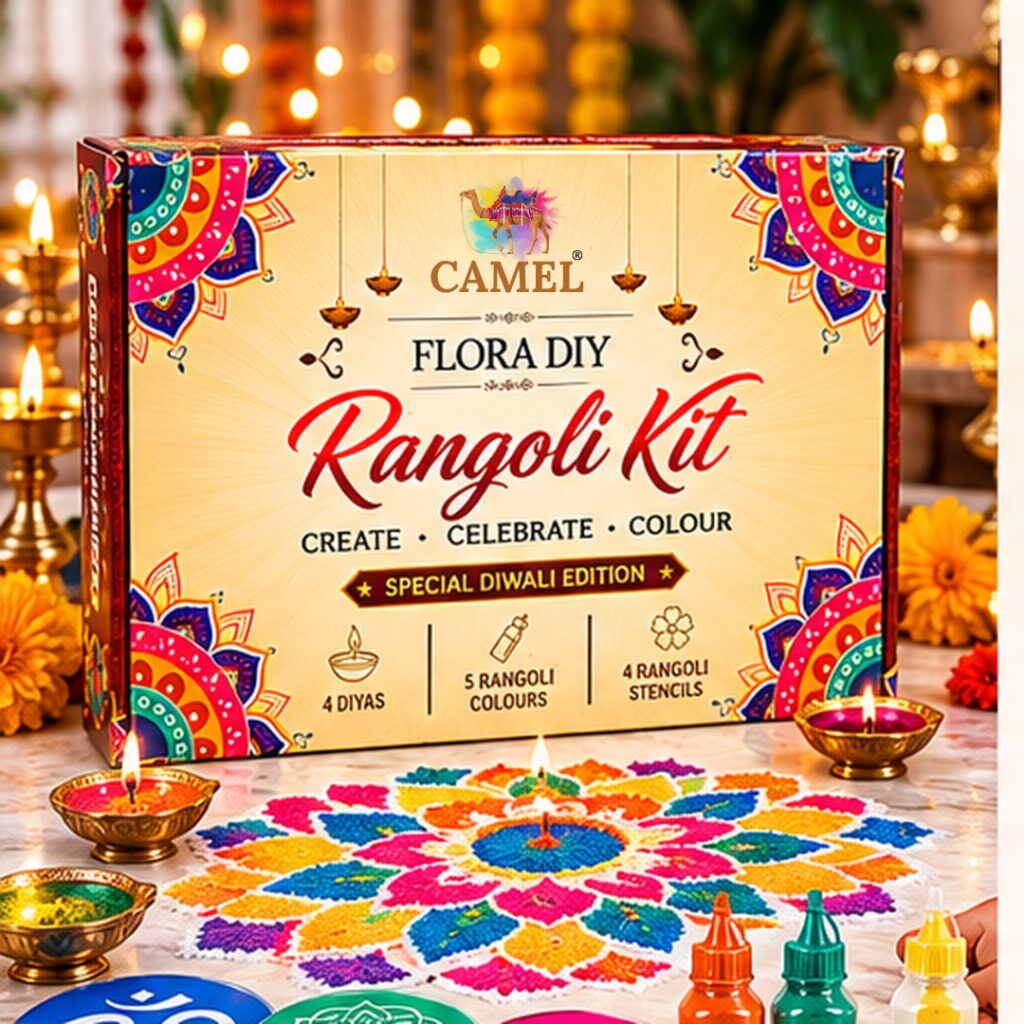
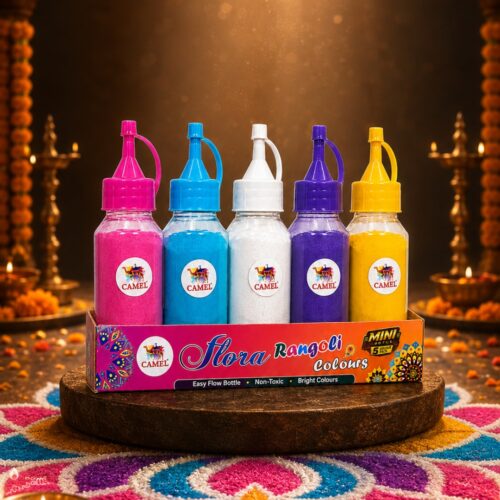
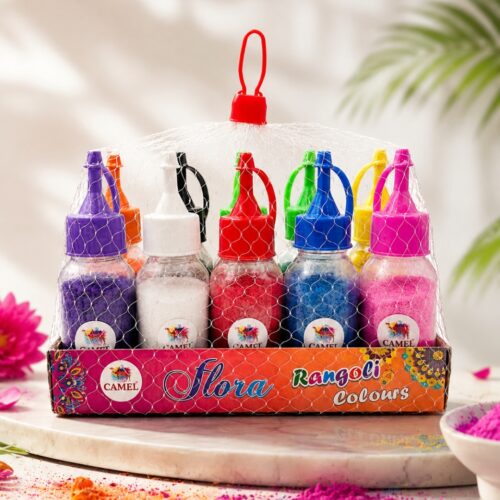
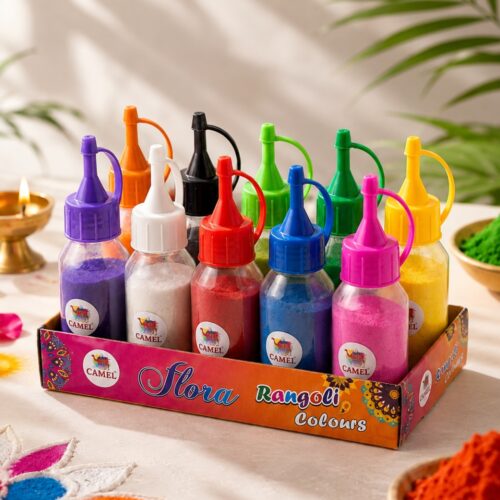
Look for colours that are bright, reasonably fine and easy to handle. Packaging should also be practical, especially if you are purchasing several colours for a large design.
For regular home use, smaller packs can be convenient. If you decorate large spaces, organise community events or sell festival decoration materials, buying in larger quantities may make more sense.
For businesses searching for rangoli powder wholesale india, suppliers should be evaluated on factors such as consistency, packaging, available colours, minimum order quantity and delivery arrangements rather than simply choosing the cheapest option.
How to Find Good Rangoli Colours
With so many products available today, choosing between different brands can sometimes be confusing.
A useful approach is to look beyond attractive packaging. Check the product description, colour range, powder texture, intended use and customer feedback where available.
People searching for the best rangoli powder brand may have completely different requirements. Someone making a small Diwali design at home may want a compact set, while an event decorator may need multiple colours in larger quantities.
In other words, “best” depends on what you actually need.
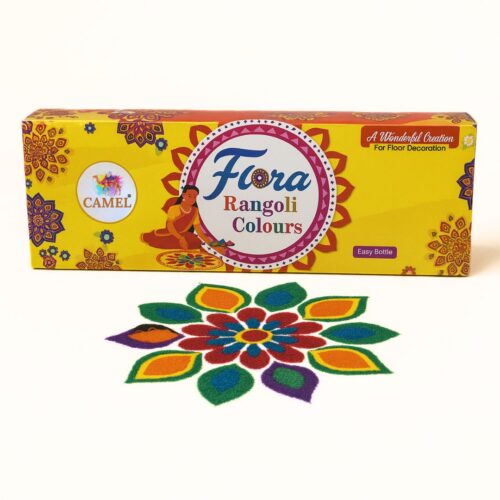
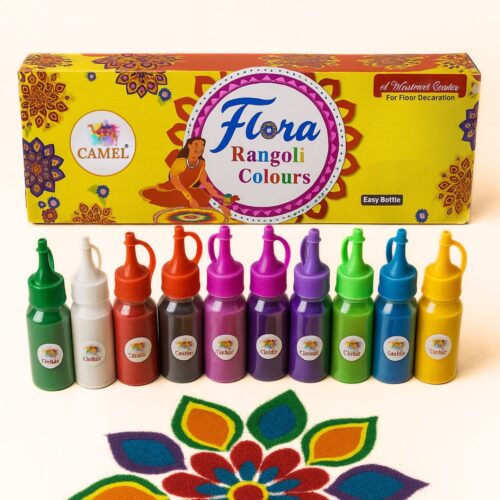
For online shoppers, product images can also help you understand the available shades and packaging. If you are planning a festival decoration project, it is often easier to buy rangoli powder online when you already know the colours and approximate quantity required.
Rangoli Ideas for Different Festivals
One of the most enjoyable things about rangoli is adapting the design to the occasion.
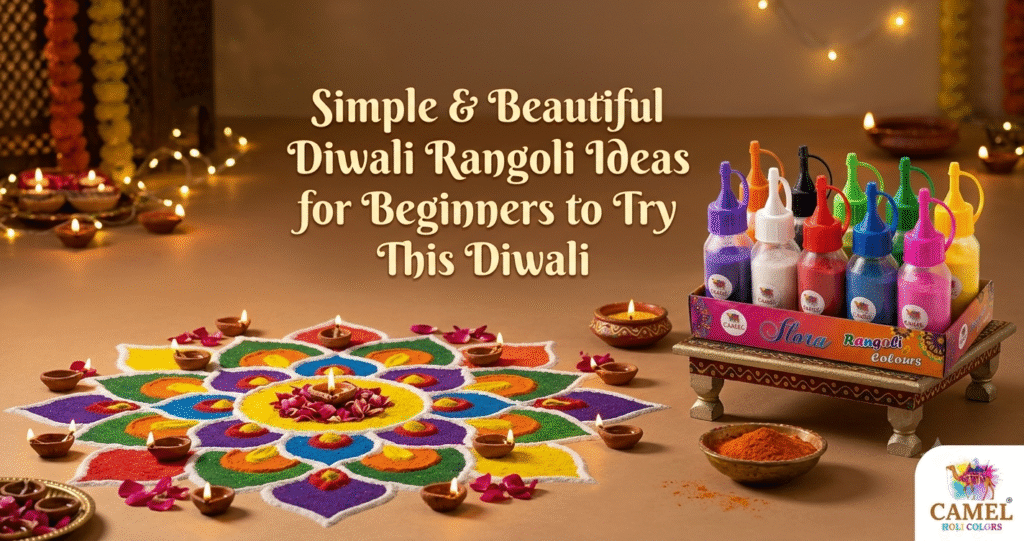
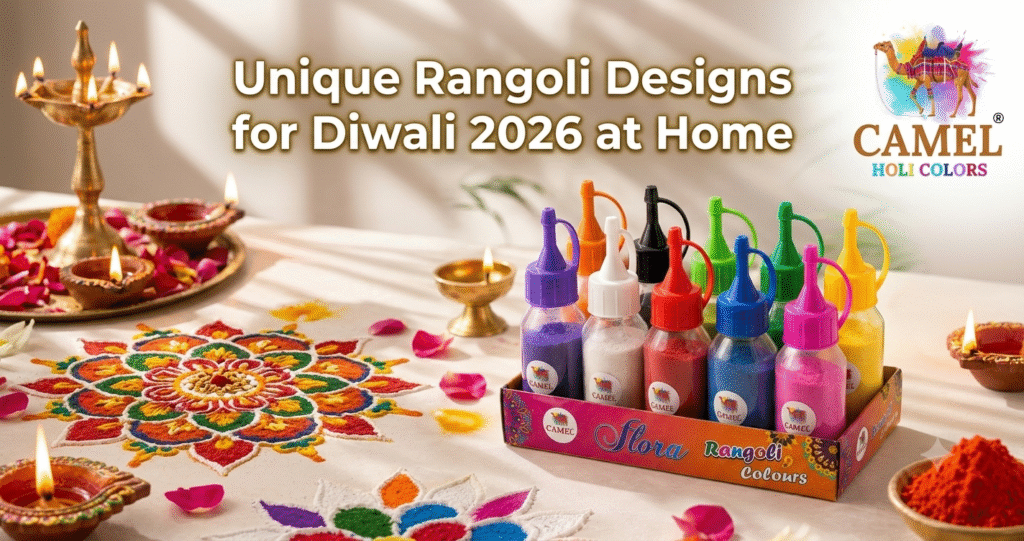
For Diwali, diyas, lotus flowers, lamps and traditional geometric borders work beautifully. A bright circular design around a diya can create a warm focal point at the entrance.
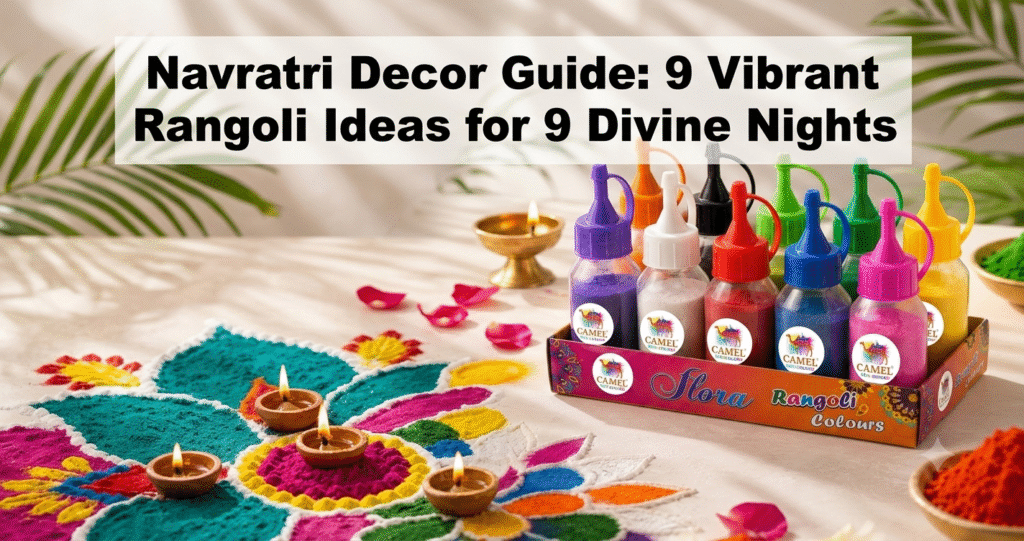
During Navratri, floral patterns and symmetrical designs can complement the festive atmosphere. You can also experiment with traditional motifs associated with the celebration.
Pongal and other harvest festivals offer plenty of opportunities to use flowers, leaves, pots and sun-inspired patterns.
For smaller celebrations, there is no need to create a huge design. A compact arrangement near the doorway can look equally attractive.
Simple Rangoli Can Be Beautiful Too
There is sometimes a misconception that a rangoli needs to be complicated to look impressive.
Not true.
A neat geometric pattern using three or four well-matched colours can look stunning. A simple flower design with a contrasting outline can create a clean and elegant appearance. Even dots arranged in a grid can become the foundation for an attractive traditional pattern.
The secret is often precision rather than complexity.
Take your time while placing the powder. Keep the outlines reasonably even and avoid using too many colours in one small design. A little restraint can make the final result look much cleaner.
The Modern Side of Rangoli
Rangoli has also found a new audience through social media. Today, people share time-lapse videos, festival decorations, competition entries and creative rangoli tutorials on platforms such as Instagram and YouTube.
Traditional patterns are being combined with modern illustrations, contemporary colour combinations and even personalised designs.
Some artists create rangoli based on particular themes, while others experiment with three-dimensional effects and unusual materials.
Yet the foundation remains the same: colour, creativity and the joy of making something by hand.
That balance between tradition and experimentation is one reason rangoli continues to feel relevant.
Understanding Festival Rangoli Color Price
When buying rangoli products, shoppers may also compare festival rangoli color price across different packs and brands.
Price can vary depending on the quantity, number of shades, packaging and product type. A small decorative set may be suitable for occasional home use, whereas larger packs can be more practical for extensive festival decoration.
Instead of looking only at the price of one packet, consider how much usable colour you actually receive and what you plan to create.
That simple comparison can make shopping easier.
Rangoli Is About More Than Decoration
At first glance, rangoli may seem like a simple floor decoration. Look a little closer, though, and it tells a much bigger story.
It carries traditions from one generation to another. It brings people together. It gives children a chance to experiment with colours and patterns. It makes festivals feel more personal.
And perhaps most importantly, it allows ordinary spaces to become part of a celebration.
You don’t need to be a professional artist. You don’t need a giant entrance or an expensive decoration kit. Start with a small pattern. Pick a few colours. Draw the first line and see where your imagination takes you.
Because that’s the beauty of rangoli.
Every design can be different, every colour combination can tell its own story, and every doorstep can have a little piece of creativity waiting to welcome someone home.